Humanoid
China’s ENGINEAI Opens Humanoid Robot Factory, Aims to Build One Every 15 Minutes
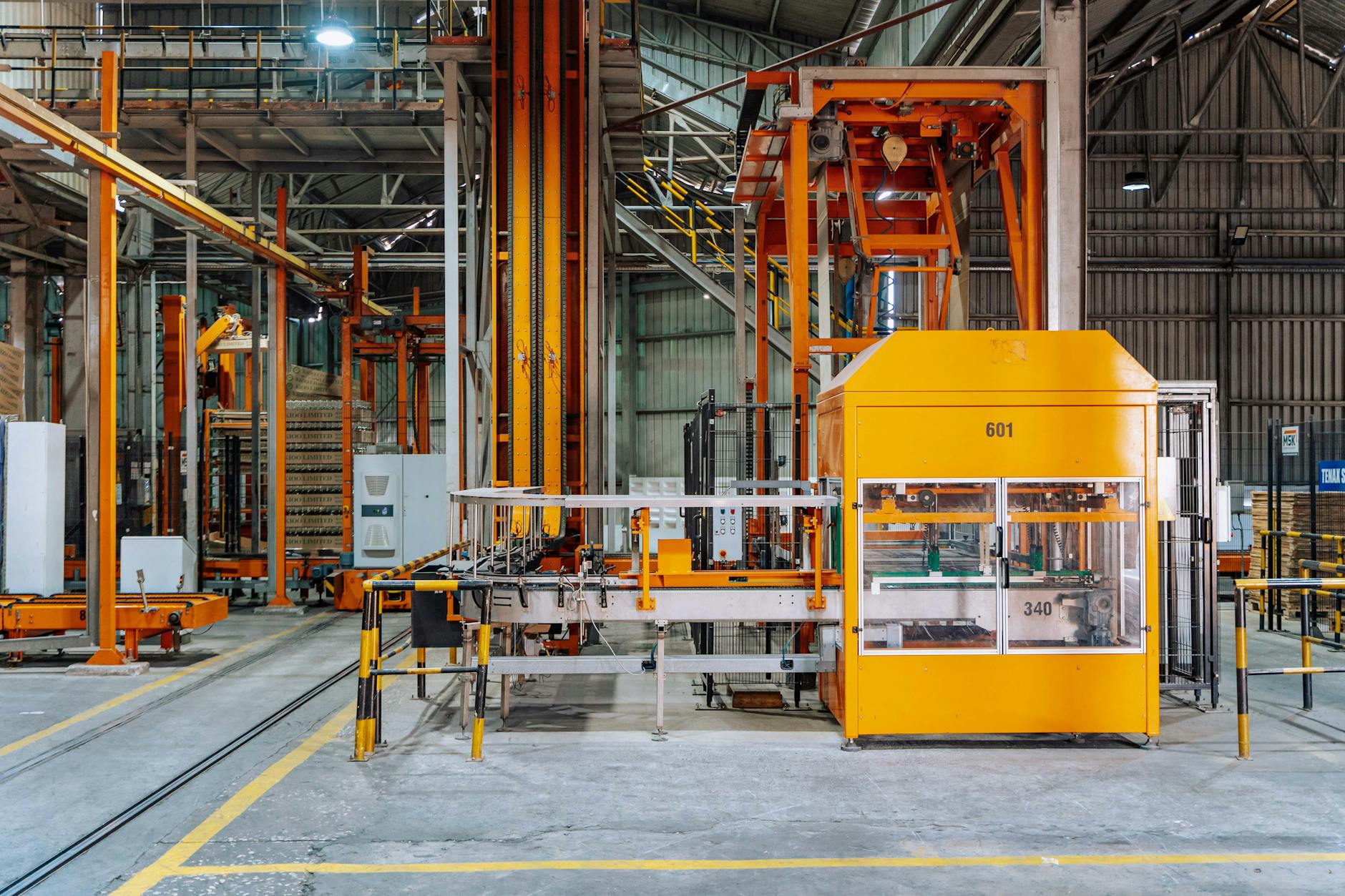
LEAD: Chinese humanoid robotics startup ENGINEAI has opened a dedicated factory in Shanghai with the ambitious goal of producing one humanoid robot every 15 minutes. This marks a significant step toward mass production of bipedal robots, potentially accelerating commercial deployment in industrial and service sectors.
BACKGROUND: ENGINEAI, founded in 2020 by former Huawei engineers, focuses on developing full-size humanoid robots for manufacturing and logistics. The company’s flagship robot, the RAISA, stands 1.7 meters tall and weighs 65 kg. While several humanoid startups have demonstrated prototypes, ENGINEAI is among the first to establish a production line targeting high-volume output, competing with players like Tesla (Optimus) and Figure AI.
KEY DETAILS: The factory spans 10,000 square meters and is designed to produce up to 1,000 units per year at full capacity, equivalent to one robot every 15 minutes. ENGINEAI claims the RAISA robot features 40 degrees of freedom, with a payload capacity of 20 kg per arm and a walking speed of 1.5 m/s. The robot uses a combination of electric actuators and harmonic drives for joint movement, prioritizing energy efficiency and precision. The design emphasizes modularity, allowing for quick assembly and maintenance. The factory employs automated guided vehicles (AGVs) and robotic arms for parts handling, with final assembly performed by human workers.
OUTLOOK: ENGINEAI plans to deploy RAISA robots in its own factory for material handling and assembly tasks, with external sales targeting automotive and electronics manufacturers. The company aims to reduce production costs to under $50,000 per unit within two years. If successful, this factory could serve as a blueprint for scaling humanoid robot manufacturing, though challenges remain in achieving consistent reliability and software integration for complex tasks.
Source: eWeek