Humanoid
Manufacturing a Humanoid Robot in 15 Minutes: ENGINEAI Launches Operations in Shenzhen
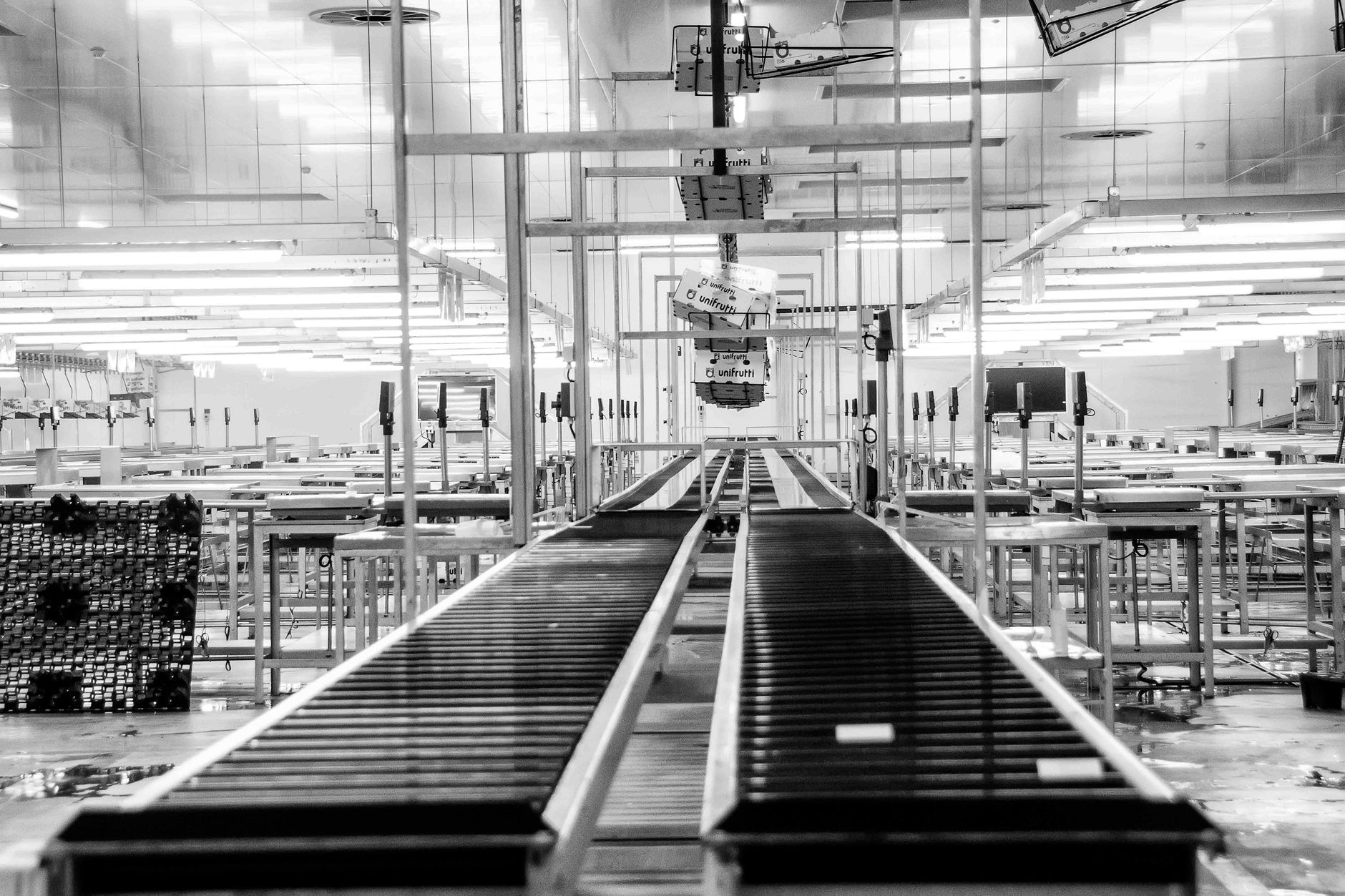
ENGINEAI has launched operations in Shenzhen, claiming the ability to manufacture a humanoid robot in just 15 minutes. This breakthrough in rapid assembly could dramatically accelerate production timelines and reduce costs, potentially reshaping the economics of humanoid robot deployment.
The company’s achievement addresses a critical bottleneck in humanoid robotics: slow, labor-intensive manufacturing that limits scalability. While competitors like Tesla Optimus and Figure 02 focus on incremental improvements in locomotion and manipulation, ENGINEAI prioritizes production speed. By streamlining assembly processes and leveraging Shenzhen’s supply chain ecosystem, the company aims to produce humanoid robots at a fraction of the time and cost of traditional methods.
ENGINEAI’s manufacturing process reportedly integrates modular components with automated assembly lines, achieving a 15-minute cycle from start to finish. While specific technical details remain sparse, the speed suggests a high degree of pre-assembly and standardization, likely using snap-fit joints, pre-wired harnesses, and plug-and-play actuators. The robot’s payload and speed specifications have not been disclosed, but the focus on rapid manufacturing implies a trade-off between customization and throughput. The design philosophy prioritizes ease of assembly over exotic materials or complex kinematics, favoring proven components that can be sourced and integrated quickly.
This approach could enable ENGINEAI to rapidly iterate on designs and fulfill large orders for commercial applications such as warehouse logistics, hospitality, or light manufacturing. However, the lack of published performance metrics raises questions about the robot’s capabilities in real-world tasks. If the robot can achieve competitive locomotion and manipulation while being produced at scale, it could disrupt the market by lowering the barrier to entry for businesses seeking humanoid robots.
For manufacturers and research labs, ENGINEAI’s method offers a glimpse into a future where humanoid robots are as easy to produce as consumer electronics. Near-term implications include faster prototyping cycles and reduced capital expenditure for early adopters. However, the company must demonstrate that speed does not compromise reliability or performance. If successful, ENGINEAI could set a new standard for humanoid robot manufacturing, forcing competitors to rethink their production strategies.
Source: Gasgoo