Industrial
Chef Robotics Escaped the Robot Cooking Graveyard and Says It’s Thriving — Here’s Why
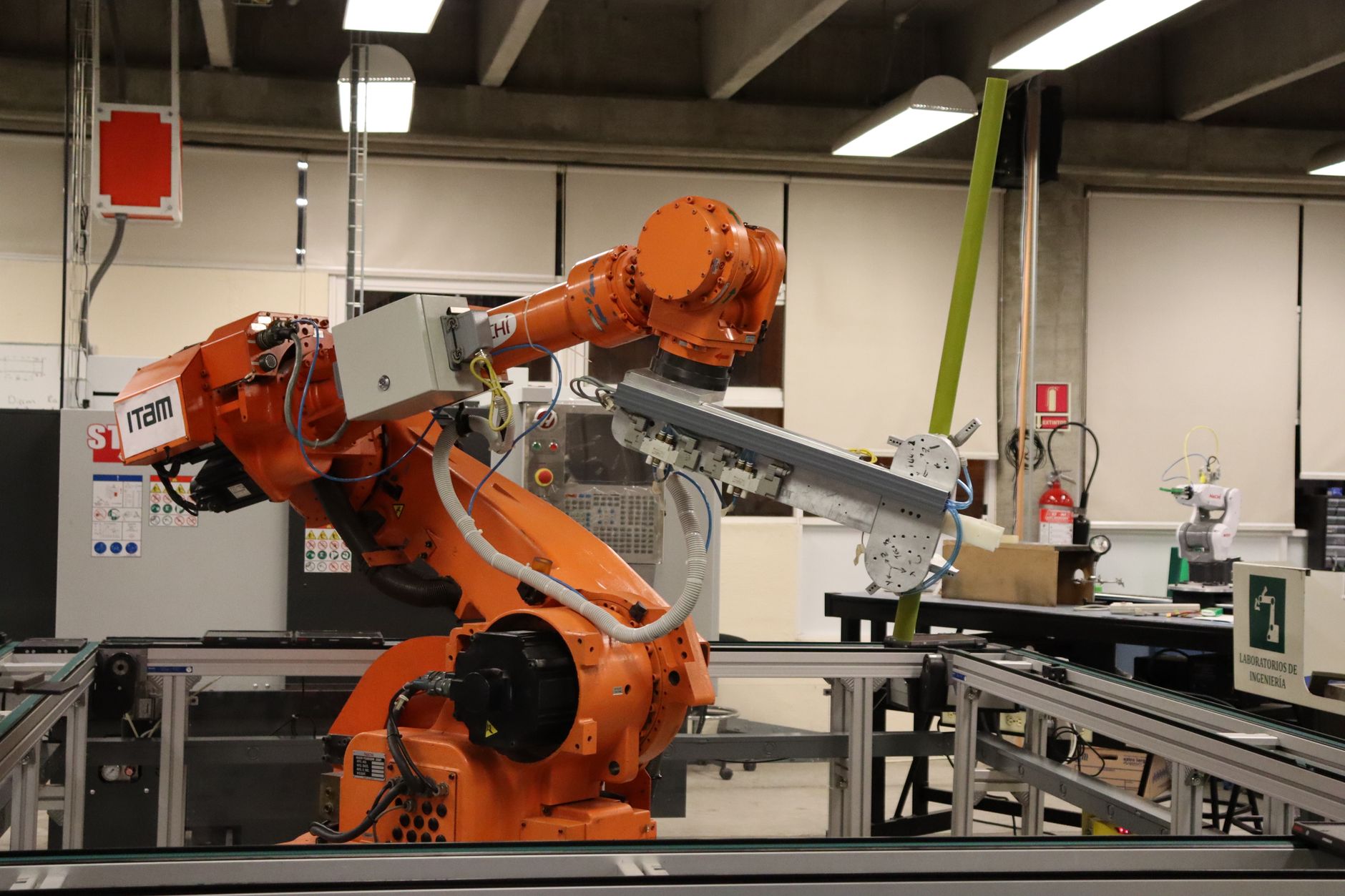
[LEAD] Chef Robotics has deployed over 500 AI-guided robotic arms in commercial kitchens across North America, achieving a 50% reduction in labor costs and 20% increase in throughput for its clients. The company’s flagship system, the Chef Robotics Platform, uses computer vision and reinforcement learning to adapt to varying food textures and assembly tasks, enabling it to handle everything from burrito bowls to salad kits without reprogramming.
[BACKGROUND] The food robotics sector has seen a graveyard of failed startups, often due to the complexity of handling non-uniform ingredients and the high cost of integration. Chef Robotics differentiates by focusing on modular, pre-trained systems that can be installed in existing kitchen lines within days, rather than requiring custom engineering. With the U.S. food service industry facing a 15% labor shortage (2025 data), the company positions itself as a solution for high-mix, high-volume food assembly.
[KEY DETAILS] The Chef Robotics Platform comprises a 6-axis robot arm with a payload capacity of 10 kg and a reach of 900 mm, equipped with a proprietary soft gripper that applies forces between 0.5 and 15 N. Vision uses 3D depth cameras processing at 60 FPS, with a classification accuracy of 99.2% for common ingredients (pepperoni, cheese, lettuce, etc.). The system learns through human demonstration and simulation, requiring approximately 50 training episodes per new dish. Typical cycle time per assembly is 2.5 seconds. ROI is reported within 12-18 months for facilities producing 5,000+ units per shift. Chef Robotics targets food manufacturers and large-scale institutional kitchens, offering a robotics-as-a-service model at $12-18 per hour per arm.
[OUTLOOK] Chef Robotics plans to expand into verticals like bakery and protein processing, aiming for a library of 1,000+ skill templates by 2027. The company is developing a cloud-based fleet management system for remote monitoring and retraining. For procurement teams, the next milestone will be validation of the platform’s ability to handle high-viscosity sauces and fragile baked goods, which are pending field trials.
Source: Lucas Ropek