Robotics
Humanoid robots take on tea challenge in Fujian
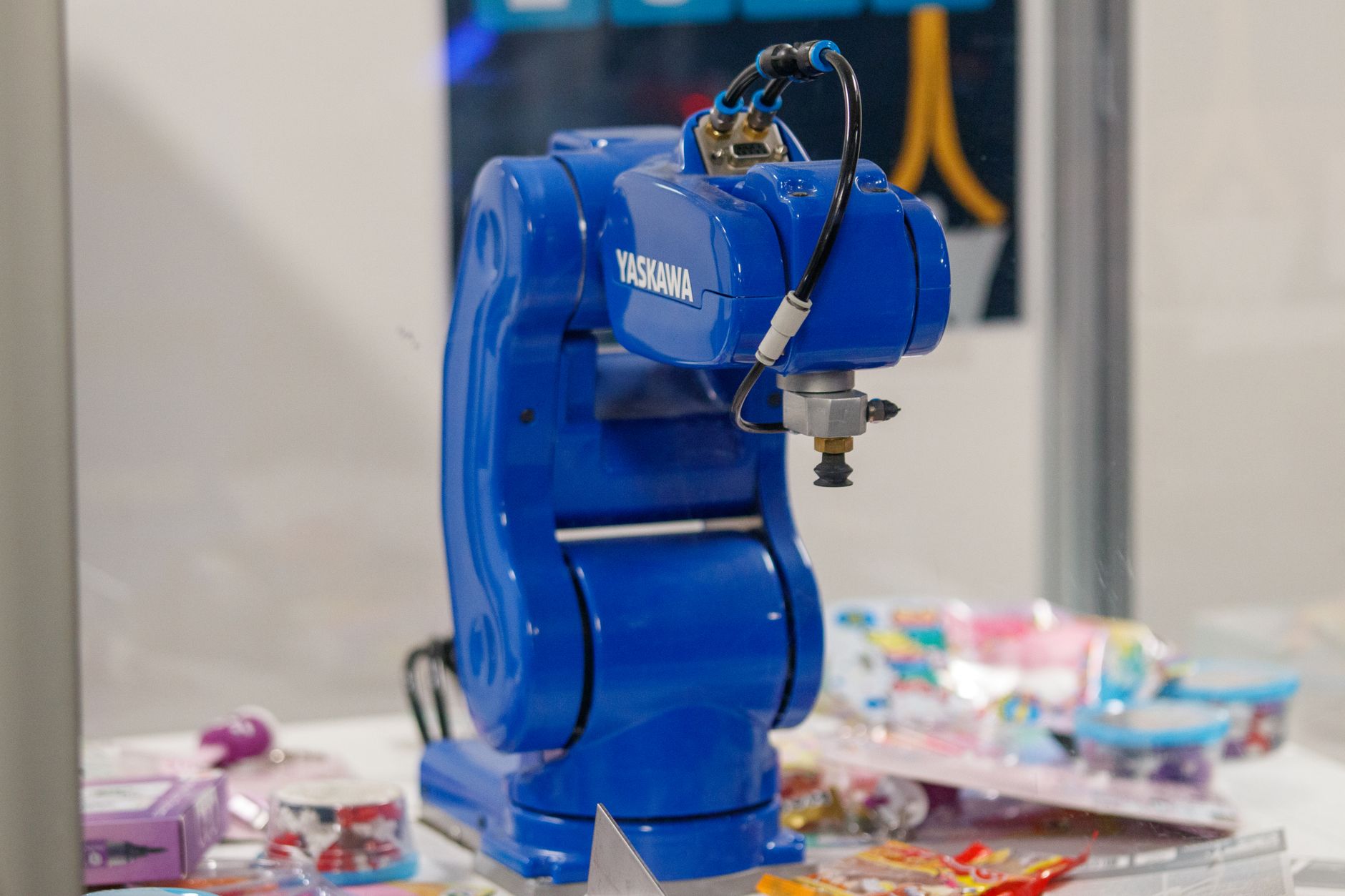
Humanoid robots have demonstrated advanced manipulation and dexterity by performing the delicate and precise tasks involved in the traditional Chinese tea ceremony in Fujian province. The robots, developed by a team of engineers at a local robotics lab, are designed to mimic human hand and arm movements with high accuracy, enabling them to handle fragile tea cups, pour water, and steep tea leaves without spillage or damage.
According to the lab’s lead researcher, the robots use a combination of force sensors, tactile feedback, and computer vision to adapt to the varying shapes and weights of tea utensils. The system includes a lightweight anthropomorphic arm with seven degrees of freedom, endowing it with the flexibility to reach and manipulate objects in a human-like manner. The robots also feature dexterous hands with four fingers, each equipped with pressure sensors that allow them to apply just the right amount of force—firm enough to grip but gentle enough not to crush the delicate porcelain.
The technical challenge lies in the coordination between the robot’s vision system and its motor control. The robots must track the position of the tea cups, the kettle, and the boiling water in real time while simultaneously planning and executing a sequence of actions. The team developed a custom machine-learning algorithm that processes input from two stereo cameras mounted on the robot’s head to create a 3D map of the workspace. This map is updated at 60 Hz, enabling the robot to react quickly to any changes, such as when a cup is moved or the water level decreases.
In addition to precision, the robots exhibit a degree of grace and fluidity in their movements, which is essential for the aesthetic aspects of the tea ceremony. The engineers programmed the robot’s joint trajectories using motion capture data from human tea masters, then fine-tuned the parameters through reinforcement learning to smooth out any jerky transitions. The result is a series of movements that feel natural and deliberate, rather than robotic and abrupt.
The robots are not intended to replace human tea masters but rather to serve as research platforms for advancing human-robot interaction and manipulation in unstructured environments. The lab envisions applications in healthcare, where robots could assist with feeding or wound dressing, and in hospitality, where they could perform tasks requiring a delicate touch.
The demonstration in Fujian highlights the progress being made in making humanoid robots capable of handling fine manipulation tasks. However, the robots still have limitations: they operate at a slower pace than humans and require careful calibration for each new set of utensils. The team is working on improving the robot’s endurance and reducing its cost so that it can be deployed in real-world settings.
The tea challenge is part of a broader trend in robotics research focused on dexterous manipulation, which is considered one of the hardest problems in the field. By succeeding at a task that requires both strength and sensitivity, these humanoid robots mark a step forward in the quest for general-purpose robots that can work alongside humans in a variety of daily tasks.
Source: CGTN News